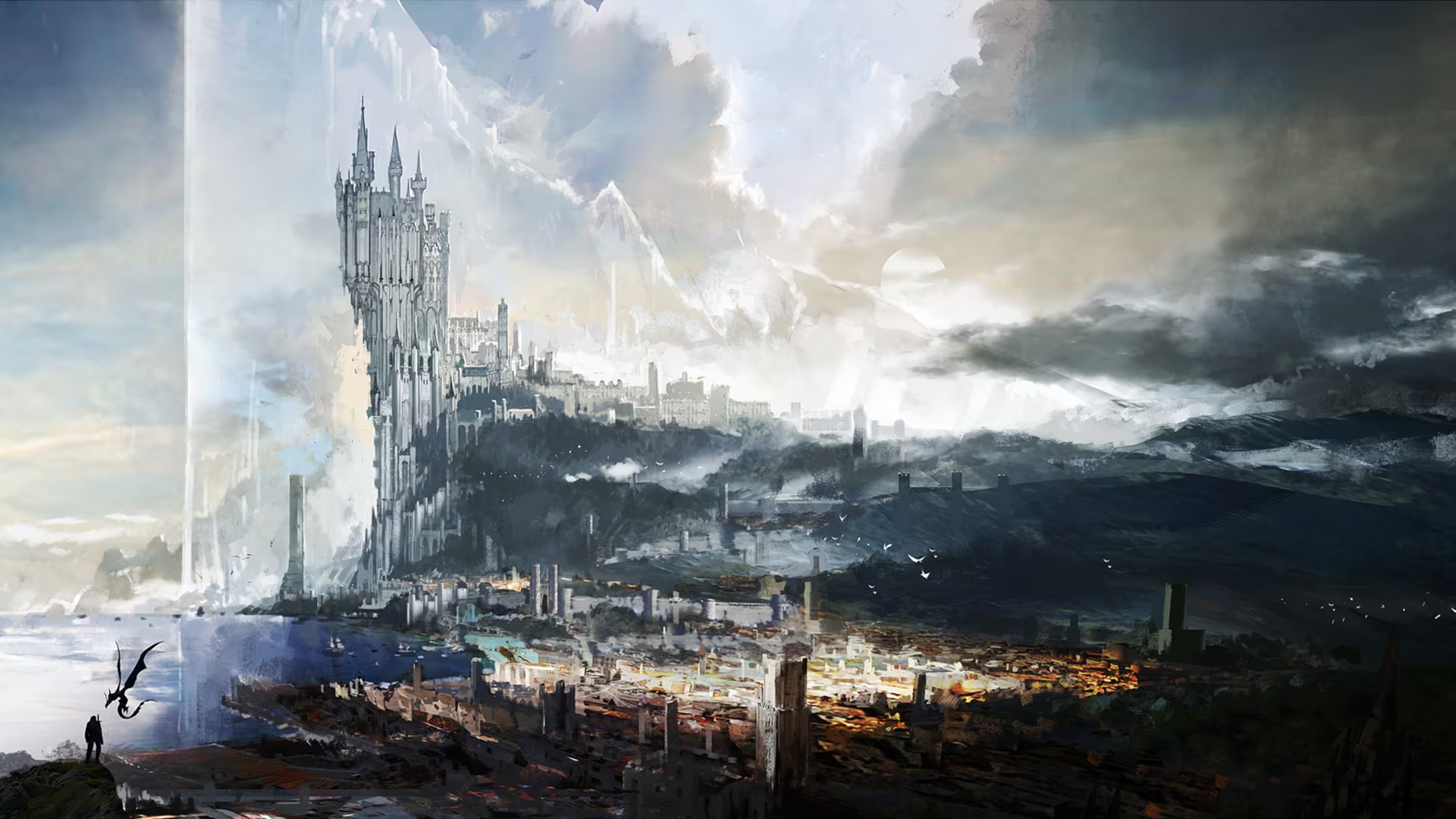
Faith and Gods
Long ago, the people of the land were few, weak, and foolish. They lacked in strength, and they lacked in numbers. Though they had life, given by the primordial Eikons who forged the earth they trod, the people lacked agency—power, if you will. They were doomed to die to the claws and fangs of beast and dragon; to the fearsome storms that raged ‘cross the land; to starve as their supplies dwindled and ran dry.
Then, a great Hero arose. Their name has been struck from mortal knowing, yet all know of their deed: they reached out to the heavens, to the Sun itself, and stole a flickering spark of its light. Thus, the great Thief of Fire birthed the art of magic. Ramuh, Eikon of Law and Levin, struck them down for their crime against celestial law, yet the deed could not be undone. And the people remembered.
There are three groups of gods in this world: the mighty Eikons, or Primordials, holding the power of the elements made manifest, the Hero-Gods, long-gone mortals whose great /(or heinous) deeds are remembered to this day. And, of course, the golden greatwyrm Eyrirfex—who forms a category all his own.
Worship
Most mortals outside the realm of Gold worship the hero-gods. Being former mortals, they are far more relatable than the Eikons will ever be. A prayer or sacrifice might be offered to an Eikon, to request aid or ward off their anger, but the heroes remain far more popular. Druids of the Old Faith, however, still cling fast to faith in the Primordials, as do some others.
Most pray mainly to the hero who they consider their patron—soldiers pray to the Dragonslayer on the eve of battle; wizened wizards mutter invocations to great Orandelle as they study musty tomes of eld. Of course, people give custom to other gods as well: sailors oft give tribute to ward off Leviathan’s wrath at sea, and a noble whose child is lost in the woods might pray that the Gardener guides their steps, even when their allegiance lies elsewhere.
In the gold-graced lands, worship of Eyrirfex (and, in turn, of Bahamut) is far more popular than any other faith for reasons quite obvious, but many of its people pray to the other gods as well.
Eikons
| Name | Purview | Opposes |
|---|---|---|
| Bahamut | Light | Tiamat |
| Garuda | Wind | Ramuh |
| Ifrit | Fire | Shiva |
| Leviathan | Water | Ramuh |
| Odin | Death | Phoenix |
| Phoenix | Life | Odin |
| Ramuh | Lightning | Leviathan |
| Shiva | Ice | Ifrit |
| Tiamat | Darkness | Bahamut |
| Titan | Earth | Garuda |
Named eikons by students of the arcane, and worshipped as Primordials by the druids who yet hold firm in the faith of primal nature. From them doth all magicks Arcane and Primal flow. Together they forged the word from nothingness, creating its elements and inhabitants—but for Tiamat, who demands naught less than the destruction of all, and a return to primeval Emptiness.
Moreso than the Heroes, the direct influence of the Eikons can be seen in the world. Arcane and Primal magic is drawn from their power, their aether, after all—so any wizard or druid’s power fundamentally originates from the Eikons. Storms, earthquakes, deaths, births: their influence is seen everywhere in the world. Yet one thing above all else makes their might laid plain: the Dominants.
Each Eikon chooses a champion, and bestows their power upon them. Common dogma says each Eikon has one and only one dominant at a time, but rumour persists of a battle held ‘twixt two dominants of Ifrit; a mighty clash that (supposedly) reduced an entire forest to little more than ash and rock. Each Eikon, except for Tiamat—who for reasons unknown has not cursed the world with a dominant for at least as long as memory. That is probably for the best, if one ascribes value to one’s existence.
Eikonomachy—The Birth of the World
First was eternal Dark, where naught but stifling Emptiness held form.
Then came Light, revealing shrouded Tiamat and brilliant Bahamut, who came to clash.
With the Destroyer distracted, weighty Titan forged the earth.
The Phoenix lit a fiery Sun in the sky, that the soil might know life—and thus grew leaf and branch.
The Bringer of Tides, enraged by flame and by earth, tried to drown the earth 'neath deepest waters–
But clever Ramuh called forth Levin, carving ocean from the rock.
The Lord of the Inferno brought greater heat to the flame-touched rock, melting rock to fiery magma
and Shiva, on the frozen opposite, created a cold Moon to further spread her chill.
With mighty winds, Garuda set the Heavens into motion, that all may know both Night and Day.
And Life flourished—'til the World overflow'd. And so came Odin's deathly Blade, cutting down Old and Infirm.
And thus began the Motion of the World.
Bahamut, the Dawn Wyrmᛒᚨᚻᚨᛗᚢᛏ
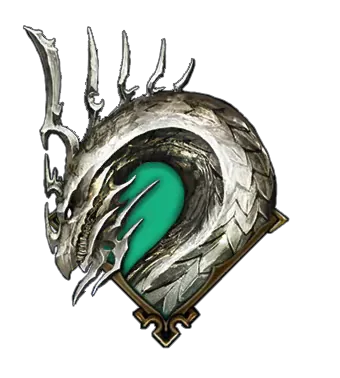
Domains: Arcana, Light, War
Favoured Weapon: Bite, claw, war pick
Province: Light, dragons, arcane magic
Titles: Dawn Wyrm, Dragon King, Dreadwyrm
Being Foe eternal of Tiamat and þe Forger of all Dragon-Kind, his great Wings ſpread to blot out þe Sky. His was þe idea to make þe world, and battled Tiamat to ſtandſtill þat the oþer Eikons might accompliſh þat great work.— “Eikonomachy”, The Orandelle Codex
Holding dominion over light and dragons, The Dawn Wyrm was first of the Eikons to emerge from the Empty Dark. By distracting gluttonous Tiamat, he left space for the other Eikons to create the world—and once it was formed, he made the first dragons.
Some claim he holds dominion over all magicks arcane, but other dispute that claim—after all, the very first mortal to wield the arcane stole it from the Phoenix’s sun. What is certainly not in doubt, however, is that the dragons he made have great arcane power boiling within their very blood, yearning to be released.
Garuda, the Warden of Windᚷᚨᚱᚢᛞᚨ
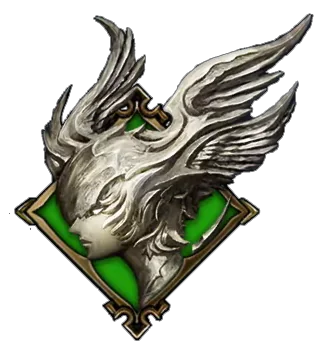
Domains: Nature, Tempest, Trickery
Favoured Weapon: Longbow, whip
Province: Wind, dusk and dawn
Titles: Lady of the Vortex, Messenger of Winds, Vortex Queen, Windwarden
Being Miſtress of Winds and Vortex, 'twas She who ſet þe Heavens into motion, þat all might know Night and Day boþ. E'er does Her winds wear away at Titan's earth and ſtone.— “Eikonomachy”, The Orandelle Codex
Ifrit, Bringer of Fireᛁᚠᚱᛁᛏ
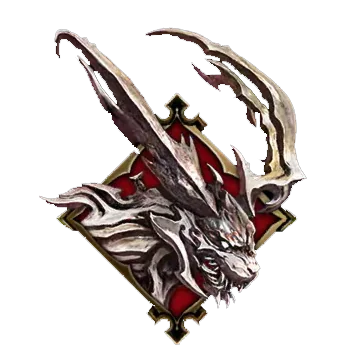
Domains: Light, War
Favoured Weapon: Bastard sword
Province: Fire, freedom
Titles: Lord of the Inferno, Pyreburner, Chainbreaker
Being Lord of Flame and Heat, He tempered þe Phoenix's sun 'til it burned forest down to sand. Yet when Levin's harſh law was decreed, He ſhielded Man from þe worſt of its laſhings.— “Eikonomachy”, The Orandelle Codex
Seventh to appear, Ifrit holds power over flame and heat. He stoked the pyre of the Phoenix’s sun, attempting to scorch the earth to ash—or so say his detractors. Others say that this was the act that lead to mankind’s discovery of magicks, and that this was Ifrit’s true intent. With the sun’s radiant power now easier to grasp, the first magician drew upon its aether, conjured firelight, and thus birthed magic.
‘Tis also said that Ifrit was the one who stayed Ramuh’s hand, when the Lord of Levin came to mete out justice—and took the levinbolts upon himself to prevent them from annihilating man. Whatever the truth is, Ifrit’s demense remains the fiercest of flames, and his most faithful are oftentimes firebrands both figuratively and literally.
Dominants of Ifrit
Perhaps reflective of some underlying truth about the Eikon, the most common circumstance for a Dominant of Ifrit to awaken is during rebellion, especially against unjust authority. Several of history’s most well-known dominants awoke to their inner flame as they watched tyranny and highborn arrogance destroy their livelihoods, communities, and loved ones. Almost, though not quite as common, has been during simple fits of devastating rage.
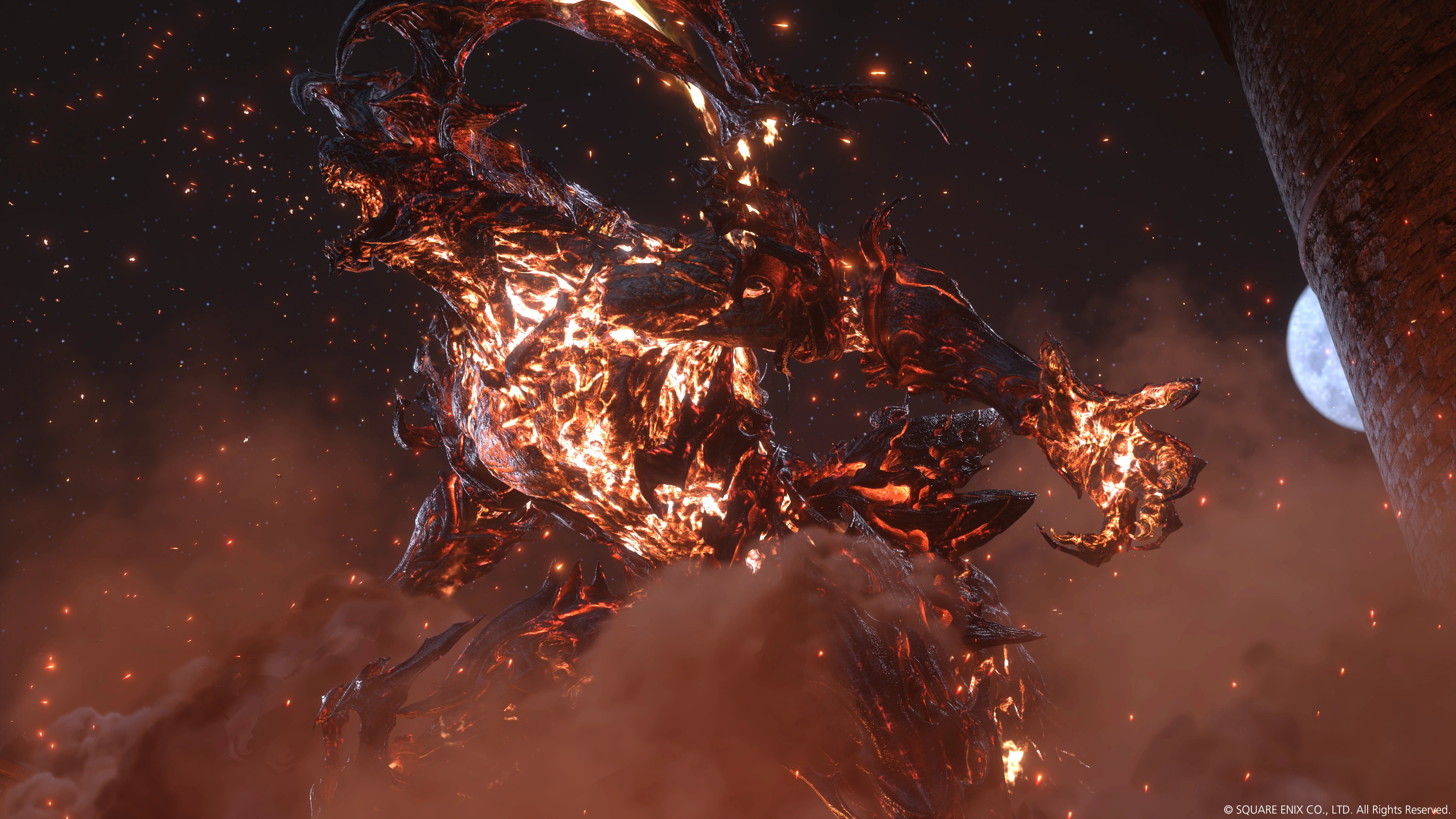
Ifrit roars in a now burnt keep.
Leviathan ᛚᛖᚹᛁᚨᚦᚨᚾ
Domains: Tempest, War
Favoured Weapon: Trident
Province: Water
Odin, the Dark Divinityᛟᛞᛁᚾ
Domains: Grave, War
Favoured Weapon: Greatsword
Province: Death, battle
Titles: Blademaster, Dark Divinity
Being Pſychopomp and Reaper boþ, þe fell Knight clad all in Black watches o'er all Battle. Ever vigilant as he ſits aſtride his mighty ſteed Sleipnir, 'tis ſaid þat Odin is driven ſolely by þe deſire to do Battle wiþ worþy Foes.— “Eikonomachy”, The Orandelle Codex
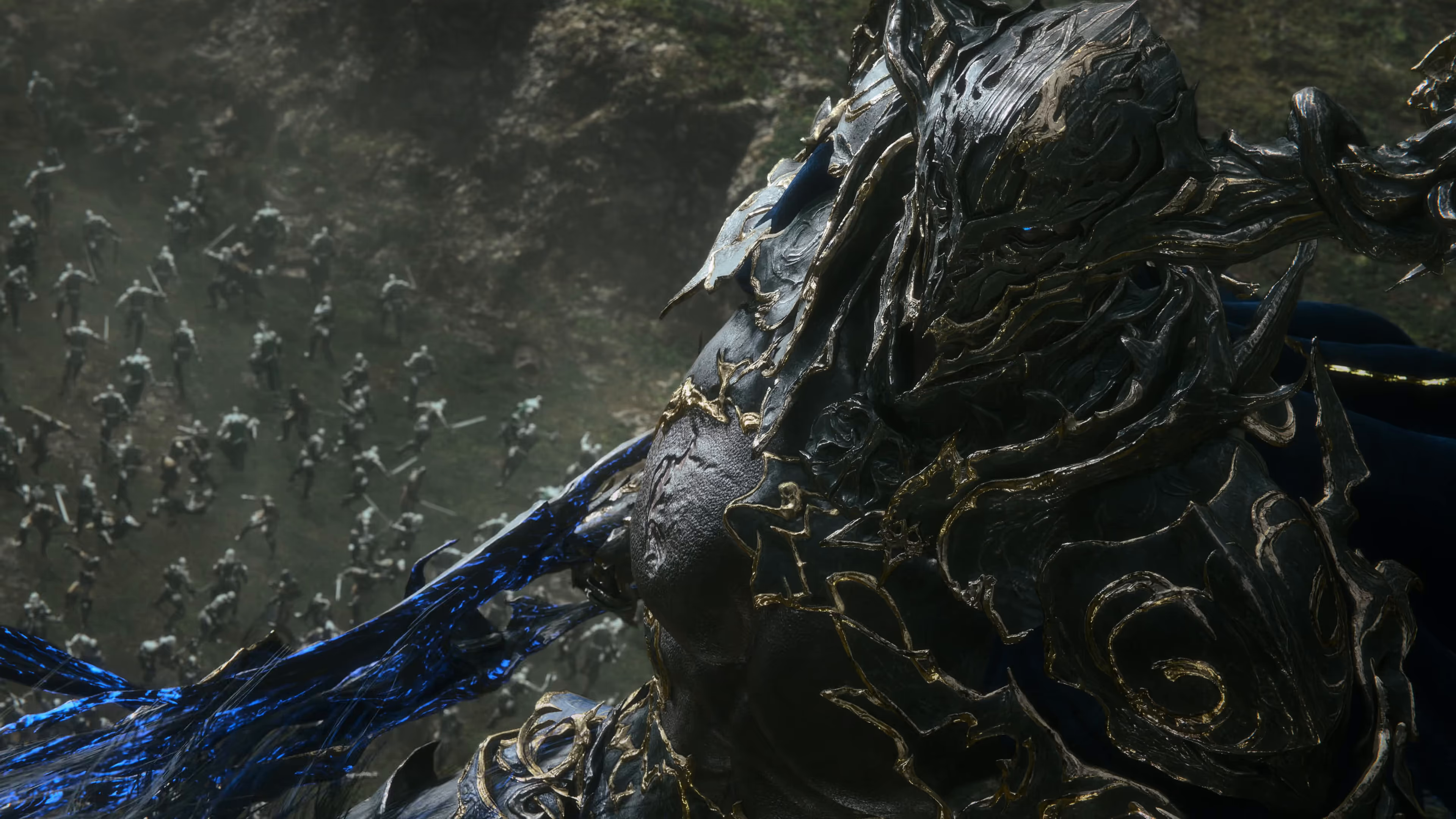
The final Eikon to make his appearance, Odin holds sway over death and war. When the world was choked with life unending, every nook and cranny filled with briar, leaf, and branch, he unsheathed his blade Zantetsuken and released the power of Death, balancing the scales.
Death is the natural end to life, and there should be nothing in between—no life within death. So speak the priests of Odin, who work against the scourge of Tiamat’s undeath. Thus, while Odin’s aspect of Death directly opposes the Phoenix’s everlasting Life, keeping the two in balance, he also opposes Tiamat, whose undead corrupt that relationship and causes the scales to skew.
Odin also holds responsibility for leading the souls of the dead to their rightful place, whether that be the hallowed halls of Valhalla, or the frozen pyreflames of Hel. He has been witnessed watching over many a battle—and sometimes riding in, seeking a challenger.
Dominants of Odin
Odin tends to bestow his power upon the brave who face overwhelming odds without fear. As a soldier stands alone against an invading army, Odin might grace the field of battle with his presence—demanding a duel with his candidate, and blessing them with dominance should they prove themselves worthy. Should they fail to win his favour however, he will personally cut them down—leaving only a body perfectly sliced in twain.
Phoenix ᚠᛖᚾᛁᚲᛊ
Domains: Light, Life
Province: Life, the sun
Ramuh ᚱᚨᛗᚢᚻ
Domains: Knowledge, Order, Tempest
Favoured Weapon: Quarterstaff
Province: Lightning
Title: Lawbringer, Lord of Levin
During the realm’s creation, Ramuh is said to have wielded his lightning as a chisel, carving the mountains down to form paths for rivers, lakes, and oceans to form as Leviathan attempted to drench the lands. His influence is seen as lightning strikes and thunder roars—when a thunderstorm rages during a trial, ‘tis seen an omen that the judge will find the truth of the case.
Shiva ᛊᚻᛁᚹᚨ
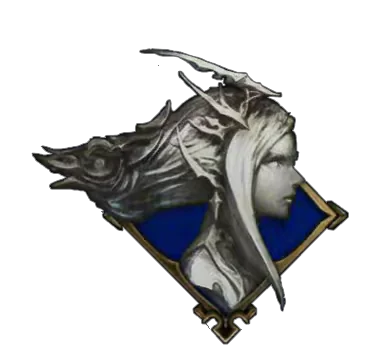
Domains: Tempest, Trickery, Twilight
Favoured Weapon: Rapier
Province: Cold
Titles: The Moonmaker
Tiamat ᛏᛁᚨᛗᚨᛏ
Domains: Arcana, Death, Trickery
Favoured Weapon: Bite, claw, dark magic
Province: Darkness, undeath, nothingness
Titles: The Devourer, The Final Eikon, The Unspeakable One
Being Darkness and Deſtruction incarnate, þe Unſpeakable One is eternal Foe of all Creation. If She haþ motives beyond baſe Envy and Gluttony, only þe Dawn Wyrm holds ken.— “Eikonomachy”, The Orandelle Codex
The Final Eikon goes by many names: the Devourer, the Unspeakable One, the Bringer of Destruction—and one final name few dare speak: Tiamat. Little and less is known about her, save that she opposes the mere concept of existence. She wishes nothing more than for all to return to Formless Nothing, and her maddened acolytes carry out her will, bringing death and destruction indiscriminate in their wake.
Dominants
As far as anyone knows, Tiamat has never granted the powers of dominance to any mortal—most consider themselves blessed that this yet remains the case. As for the reasons to it, even the most studied of scholars have naught more than conjecture to offer.
Titan ᛏᛁᛏᚨᚾ
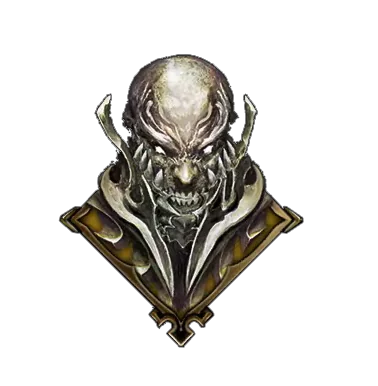
Domains: Forge, Nature
Favoured Weapon: Warhammer
Province: Earth, soil, stone
Titles: Earthforger,
Hero-Gods
The hero-gods are, overall, the most popular of the deities amongst mortals. Having once been mortal themselves, ascended into the firmament and to form constellations upon their death, after accomplishing some great deed. Their impact is far less visible upon the earth than that of the Eikons and the greatwyrm, yet their natures make them far more relatable.
Faithful astrologers attempt to divine portents and omens to interpret their will, but rarely if ever do the heroes speak to even their most devout clerics. A rare few scholars wonder if they even exist, as such—the divine power (and all Divine magicks) wielded by their clerics and paladins might be equally explained as simply a different form of mortal magic, much like the primal magicks wielded by druids. These scholars are not popular, yet their theories difficult to simply dismiss.
Though dubbed “heroes” by title, it must be noted that many of them are remembered not for their good deeds, but rather their atrocities. Their deeds were great enough that they carved their memory into the very heavens—yet Angrboda is remembered and reviled for the tyranny with which he reigned the lands, not for some altruistic sacrifice.
Angrboda, the Tyrant-King
Alignment: Lawful Evil
Constellation: Snake
Domains: Death, Order, Trickery
Followers: Conquerors, dictators, politicians
Province: Cruelty, tyranny, secrets
An elven sorcerer in mortality, Angrboda was born with two gifts: a great talent for spellcraft, and a tongue of silver. Using sorcery and speechcraft, he recruited, manipulated, and ensorcelled in equal measure to form a cult-like army all his own. With it, he conquered and ruled the continent of Destra with an iron grip.
He imprisoned and tortured his rivals and dissidents, enslaved the populace for grand vanity project, and starved an entire village if so much as one of its villagers failed to pay their taxes. He was deposed only a hundred years later, when a Dominant of Ifrit awoke and levied hellfire on his hold. The conflagration destroyed not only him, but his entire citadel as well.
Orandelle, the Great Sage
Alignment: Neutral
Constellation: Book
Domains: Arcana, Knowledge
Followers: Wizards, sages, notaries
Province: Knowledge, the written word
Orandelle collected all knowledge he could find, and bound it into a great tome—the first edition of the Orandelle Codex. As time has passed, his faithful have ever attempted to expand upon its contents. Today it takes an entire library’s worth of books to contain the wisdom held therein, and the priesthood is e’er expanding and revising its contents. Only two complete copies exist: one held in the university at Brusport, the other (supposedly including the original tome) in a secret temple whose location is kept a secret tightly guarded.
Excerpts from codex are common finds across the realm, and every properly stocked bookshelf usually includes at least one book of it. The scribing and sale from this great work has made the priesthood of Orandelle into perhaps the most affluent of the temples, leading to internal conflicts over whether knowledge should be hoarded or shared.
🝠, the Thief of Fire
Alignment: Chaotic Good
Constellation: Flame
Domains: Arcana, Trickery
Followers: Magicians, inventors, smiths
Province: Magicks, discovery, creation
Long long ago, when the world was yet newly formed and man had only briefly walked upon its shores, one reached out towards the blazing sun and managed to steal a spark. Thus the thief became the first of the heroes—thus arose magic, fire, tools, artistry. In the thief’s wake was everything changed.
Yet thus did man overstep their bounds, said Ramuh, and though he could not undo the theft, his judgement for this crime against his Eikonic law was harsh. Levin struck thrice: the first erased the thief’s name, the second their face, and the third their flesh. As the three bolts struck, three lines of stars forming a flame-like fork, lit up in the heavens, while only ash remained upon the earth.
By tradition, their name is written simply as an unintelligeble scratch—for their identity was eras’d from the annals of history. Many of his faithful invent their own name and identity for the thief, and though they love to bicker and quibble over the details, this fundamentally remains a personal affair.
not nophica
Alignment: Neutral Good
Constellation: Sickle
Domains: Nature, Life
Followers: Farmers, healers,
harvests and climate and farming and such
Fate and luck
asdf
Bravery/fighteryness
Halonen’t, the Dragonslayer.
family, friends, hearth, and love
supremacy/power + a quirk (odin/zeus/allfather)
dual god of murderous / compassionate death?
?
the dead?
?